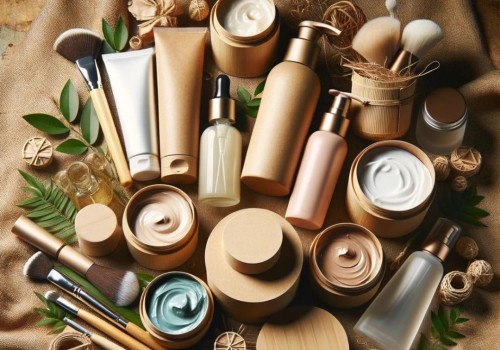
The beauty and skincare industry has undergone a remarkable transformation over the past year, reflecting not only shifts in consumer preferences but also the broader societal changes that have influenced our daily lives. As we navigate through an era marked by heightened awareness of health and wellness, the significance of staying updated with beauty and skincare news has never been more crucial. This evolution is not merely about new products hitting the shelves; it encompasses a deeper understanding of sustainability, inclusivity, and the integration of technology into our beauty routines.Recent trends indicate a growing demand for transparency and ethical practices within the industry. Consumers are increasingly seeking brands that align with their values, prioritising those that champion clean ingredients and environmentally friendly packaging.
This shift has prompted many companies to innovate, leading to a surge in skincare solutions that cater to diverse skin types and concerns. Moreover, the rise of social media platforms has transformed how beauty brands communicate with their audience, making it essential for them to stay relevant in an ever-evolving landscape.As we delve deeper into this article, we will explore the key innovations and trends that have shaped the beauty and skincare sector over the last year. From the impact of digital marketing strategies to the emergence of new product categories, understanding these developments will provide valuable insights into how consumer behaviour is evolving and what it means for the future of beauty. that cater to diverse skin types and concerns. Moreover, the rise of social media platforms has transformed how beauty brands communicate with their audience, making it essential for them to stay relevant in an ever-evolving landscape.As we delve deeper into this article, we will explore the key innovations and trends that have shaped the beauty and skincare sector over the last year. From the impact of digital marketing strategies to the emergence of new product categories, understanding these developments will provide valuable insights into how consumer behaviour is evolving and what it means for the future of beauty.
Key Trends in Beauty and Skincare for 2023
The beauty and skincare industry has witnessed significant transformations in 2023, driven by evolving consumer preferences and innovative product developments. Here are some of the key trends that have emerged this year:- Sustainability Takes Centre Stage: Consumers are increasingly prioritising eco-friendly products.
Brands are responding by adopting sustainable practices, from packaging to ingredient sourcing. This shift is not just a trend but a fundamental change in how beauty products are created and marketed.
- Personalisation: The demand for personalised skincare solutions has surged. Brands are leveraging technology to offer tailored products based on individual skin types and concerns, enhancing customer satisfaction and loyalty. The demand for personalised skincare solutions has surged. Brands are leveraging technology to offer tailored products based on individual skin types and concerns, enhancing customer satisfaction and loyalty.
- Minimalism in Skincare: The 'less is more' approach has gained traction, with consumers favouring multi-functional products that simplify their routines. This trend reflects a broader desire for efficiency and effectiveness in skincare.
- Rise of Clean Beauty: There is a growing awareness around harmful ingredients, leading to a rise in clean beauty products.
Consumers are seeking transparency regarding what goes into their skincare, pushing brands to disclose ingredient lists and avoid harmful chemicals.
- Innovative Ingredients: 2023 has seen the introduction of new, potent ingredients such as adaptogens and probiotics in skincare formulations. These ingredients are celebrated for their ability to enhance skin health and resilience.
Sustainability and Ethical Practices in Beauty
In the past year, the beauty and skincare industry has witnessed a significant shift towards sustainability and ethical practices.As consumers become increasingly aware of their environmental impact, brands are responding by prioritising eco-friendly products and transparent sourcing methods.One of the most notable trends is the rise of sustainable beauty brands that focus on minimising waste and utilising renewable resources. Many companies are now adopting refillable packaging systems, which not only reduce plastic waste but also encourage consumers to engage in more sustainable purchasing habits. For instance, brands like Lush and Fenty BeautyFenty Beauty have introduced initiatives that allow customers to return empty containers for refills or rewards.Moreover, the demand for ethical skincare has led to a surge in products that are cruelty-free and vegan. Consumers are increasingly scrutinising ingredient lists and seeking out brands that align with their values.
This shift has prompted established companies to reformulate their products and adopt more ethical practices. For example, The Body Shop has long been a pioneer in this space, championing fair trade ingredients and advocating against animal testing.The influence of social media cannot be overlooked in this evolution. Platforms like Instagram and TikTok have amplified the voices of eco-conscious influencers who promote sustainable beauty routines. This has created a ripple effect, encouraging brands to showcase their commitment to sustainability in their marketing strategies.As we move forward, it is clear that the beauty industry is not just a reflection of consumer preferences but also a catalyst for change.
The growing emphasis on sustainability and ethical practices is reshaping market offerings, making it essential for brands to adapt or risk becoming obsolete.
The Rise of Personalisation in Skincare
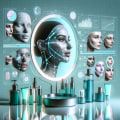
In the past year, the beauty and skincare industry has witnessed a remarkable shift towards personalised skincare solutions. This trend is largely driven by advancements in skincare technology, which enable brands to create products tailored to individual skin types and concerns.Consumers are increasingly seeking custom beauty products that cater specifically to their unique needs. This demand has led to the rise of brands that offer bespoke formulations, often based on detailed skin assessments. These assessments can include everything from questionnaires about skin type and lifestyle to sophisticated AI-driven analyses that evaluate skin conditions through images.One of the most significant developments in this area is the use of data analytics.Brands are now leveraging consumer data to understand trends and preferences, allowing them to refine their offerings continually. For instance, some companies have introduced online platforms where users can input their skin concerns and receive recommendations for products that are scientifically formulated to address those issues.Moreover, the integration of technology in skincare is not limited to product formulation. Many brands are now offering smart devices that analyse skin health in real-time, providing users with insights and recommendations for their skincare routines. This level of interactivity not only enhances the consumer experience but also fosters a deeper connection between brands and their customers.The rise of personalised skincare is also reflected in the growing popularity of subscription services that deliver customised products directly to consumers' doors.
These services often include regular updates based on changing skin needs, ensuring that users always have access to the most effective solutions.As we move forward, it is clear that the future of beauty and skincare will be defined by a commitment to personalisation. Brands that embrace this trend will not only meet consumer expectations but also set themselves apart in an increasingly competitive market.
Influence of Social Media on Beauty Trends
The beauty and skincare industry has undergone a significant transformation over the past year, largely driven by the influence of social media platforms. With the rise of influencer marketing, brands are increasingly leveraging the reach and authenticity of social media personalities to connect with consumers.Platforms like TikTok have emerged as powerful tools for beauty trends, where short, engaging videos can quickly go viral. This has led to a phenomenon known as the TikTok effect, where products can sell out within hours after being featured in a trending video.For instance, skincare routines and makeup hacks shared by influencers often lead to immediate spikes in product sales, showcasing the direct impact of social media on consumer behaviour.
- Authenticity and Relatability: Influencers often share their personal experiences with products, making them more relatable to their audience. This authenticity fosters trust, encouraging followers to try new products.
- Real-Time Feedback: Social media allows for instant feedback on beauty products. Consumers can see reviews and tutorials in real-time, which influences their purchasing decisions.
- Diversity of Trends: The global nature of platforms like Instagram and TikTok means that beauty trends can emerge from anywhere in the world, promoting a more diverse range of products and styles.
As a result, we see a shift towards more inclusive marketing strategies that cater to a wider audience.In conclusion, the influence of social media on beauty trends is undeniable. As platforms continue to evolve, so too will the ways in which brands engage with consumers, making it essential for industry players to stay ahead of these trends to remain competitive.
Technological Innovations in Beauty Products
The beauty and skincare industry has witnessed remarkable technological innovations over the past year, significantly transforming how consumers interact with products and enhance their skincare routines. One of the most notable advancements is the rise of smart skincare devices, which integrate technology to provide personalised solutions tailored to individual skin types and concerns.These devices often utilise sensors and algorithms to analyse skin conditions in real-time, offering users insights into hydration levels, oiliness, and even signs of ageing. For instance, some handheld devices can measure skin temperature and moisture content, allowing users to adjust their skincare regimens accordingly.This level of personalisation not only improves product effectiveness but also fosters a deeper connection between consumers and their skincare routines.Moreover, the integration of artificial intelligence (AI) in beauty has revolutionised product recommendations. AI-driven platforms can analyse user data, including skin type, lifestyle factors, and specific concerns, to suggest tailored products that are more likely to yield positive results. This technology not only enhances user experience but also helps brands better understand consumer needs, leading to more targeted marketing strategies.In addition to personalised recommendations, AI is also being used in virtual try-on technologies. Consumers can now use augmented reality (AR) applications to visualise how different products will look on their skin before making a purchase.
This innovation has been particularly beneficial during the pandemic when in-store testing was limited.As we look ahead, the continued evolution of beauty tech innovations promises to further enhance the consumer experience. With ongoing advancements in AI and smart devices, the beauty industry is set to become even more personalised and efficient, ensuring that consumers can achieve their desired results with greater ease.
Consumer Behaviour Changes Post-Pandemic
The beauty and skincare industry has witnessed significant shifts in consumer behaviour as a direct result of the pandemic. As people adapted to new lifestyles, their post-pandemic beauty habits evolved, reflecting a deeper understanding of self-care and personal wellness.One of the most notable changes has been the prioritisation of skincare routines. With many individuals spending more time at home, there has been a marked increase in the focus on skincare over makeup.Consumers are now investing in high-quality products that promote skin health rather than simply covering imperfections. This shift is evident in the rising popularity of clean beauty products, which emphasise natural ingredients and sustainability.Additionally, the pandemic has led to a surge in online shopping, with consumers increasingly turning to e-commerce platforms for their beauty needs. This shift has not only changed how products are purchased but also how brands engage with their customers. Social media has become a vital tool for brands to connect with consumers, offering tutorials, live Q&A sessions, and influencer collaborations that resonate with a more health-conscious audience.
Key Changes in Consumer Behaviour:
- Increased focus on skincare: Consumers are investing more in skincare routines, often opting for multi-step regimens that include serums, moisturisers, and treatments.
- Preference for online shopping: The convenience of e-commerce has led to a permanent shift in purchasing habits, with many consumers preferring to shop from home.
- Sustainability and clean beauty: There is a growing demand for products that are environmentally friendly and free from harmful chemicals.
- Self-care as a priority: The pandemic has prompted individuals to view self-care as essential, leading to increased spending on wellness and beauty products.
As we move further into 2023, these changes are likely to continue shaping the landscape of the beauty and skincare industry.
Emerging Markets and Global Trends in Beauty
The beauty and skincare industry has witnessed significant transformations over the past year, particularly in emerging markets that are reshaping global trends. As consumers become increasingly aware of their skincare needs, regions such as Asia-Pacific, Latin America, and Africa are stepping into the spotlight, driving innovation and demand for diverse products.Asia-Pacific: A Hub of Innovation
- The Asia-Pacific region continues to dominate the global beauty market, with countries like South Korea and Japan leading the way in skincare innovations. The rise of K-beauty has not only influenced local consumers but has also captured the attention of international markets.
- Natural and organic products are gaining traction, as consumers seek transparency and sustainability in their skincare routines.
Latin America: Embracing Diversity
- In Latin America, there is a growing emphasis on inclusivity and representation within beauty brands. Companies are increasingly catering to a diverse range of skin tones and types, reflecting the rich cultural tapestry of the region.
- The demand for affordable yet effective skincare solutions is on the rise, prompting brands to innovate while keeping prices accessible.
Africa: The Next Frontier
- Africa is emerging as a significant player in the beauty industry, with local brands gaining popularity for their unique formulations that cater to specific skin concerns prevalent in the region.
- Investment in local production facilities is increasing, allowing brands to create products that resonate with African consumers while promoting economic growth.
The focus on sustainability, inclusivity, and innovation will continue to drive the industry forward. Keeping an eye on international beauty news will be essential for understanding how these trends evolve and influence consumer behaviour worldwide.
FAQs About Recent Developments in Beauty and Skincare
As the beauty and skincare industry continues to evolve, many consumers have questions about the latest trends and developments. Here are some frequently asked questions that shed light on recent changes in the sector.- What are the most significant trends in beauty and skincare over the past year?
The past year has seen a surge in sustainable beauty practices, with brands focusing on eco-friendly packaging and ethically sourced ingredients. Additionally, the rise of personalised skincare solutions has gained traction, allowing consumers to tailor products to their specific skin types and concerns. - How has technology influenced the beauty and skincare industry?
Technology has played a pivotal role, particularly with the integration of AI and AR in product recommendations and virtual try-ons.This innovation enhances customer experience by providing tailored advice and allowing users to visualise products before purchase.
- What impact has social media had on beauty trends?
Social media platforms, especially TikTok and Instagram, have become powerful tools for shaping beauty trends. Viral challenges and influencer endorsements have accelerated the popularity of certain products, making them household names almost overnight. - Are there any new regulations affecting the beauty industry?
Yes, there has been a push for stricter regulations regarding ingredient transparency and safety. Consumers are increasingly demanding to know what goes into their products, leading brands to disclose more information about their formulations.
Conclusion: The Future of Beauty and Skincare Industry Trends
As we reflect on the evolution of the beauty and skincare industry over the past year, it is evident that the landscape has undergone significant transformations.The rise of sustainable practices and a heightened focus on clean beauty have reshaped consumer expectations, pushing brands to innovate and adapt. This shift not only highlights the importance of ethical sourcing but also underscores a growing demand for transparency in ingredient lists.Moreover, the integration of technology into beauty routines has accelerated, with advancements in personalisation and AI-driven solutions. Consumers are increasingly seeking tailored products that cater to their unique skin types and concerns. This trend is likely to continue, as brands invest in research and development to create more effective formulations.Looking ahead, we can anticipate several key trends that will further define the future of the beauty and skincare industry:
- Increased Focus on Mental Wellbeing: The connection between skincare and mental health is becoming more pronounced, with brands promoting self-care rituals that enhance emotional wellbeing.
- Expansion of Inclusivity: The push for diversity in product offerings will likely expand, catering to a broader range of skin tones and types.
- Technological Advancements: Continued innovation in smart beauty devices and augmented reality (AR) applications will enhance the shopping experience, allowing consumers to try products virtually before purchasing.
- Sustainability as Standard: As environmental concerns grow, brands that prioritise sustainability will not only thrive but also set new industry standards.
By embracing these trends and responding to consumer demands for sustainability, inclusivity, and innovation, brands can position themselves at the forefront of this ever-evolving market. Staying informed about beauty and skincare news will be essential for both consumers and industry professionals alike as we navigate these exciting changes.